Introducing Dubai
A modern, energetic oasis in the Middle East
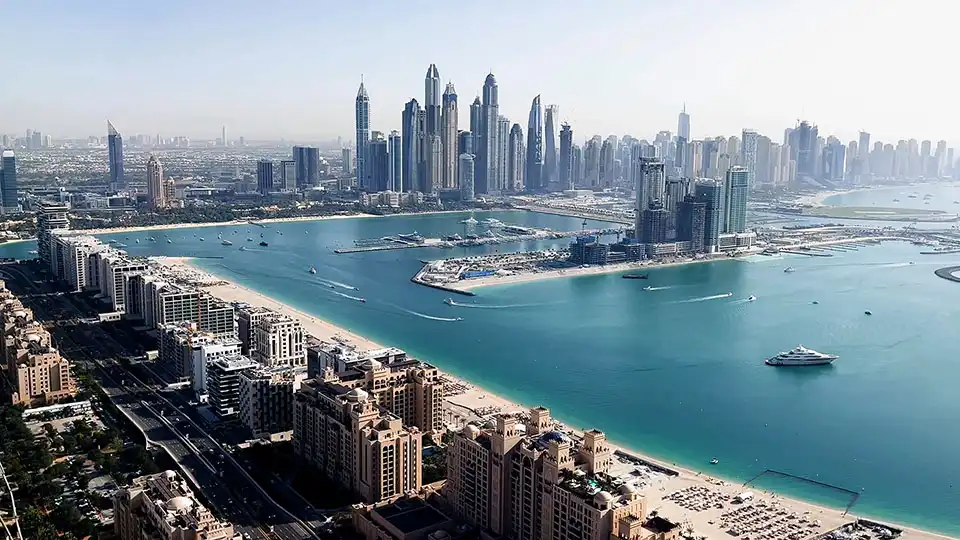
Dubai Waterfront
Fantastic Dubai! The sparkling, glitzy brash, raucous, free–wheeling home of the ultra–rich and thousands of wannabees. Money talks here, but it's gotta be serious money. There's the world's tallest skyscaper, the gold souk and more mega–yachts than Monaco. As the crossroads between Asia, Africa and Europe, the mix of cultures is intoxicating! And of course, there's oil.
First some facts. Dubai is located in the United Arab Emirates (UAE), on the southeast coast of the Persian Gulf in the Middle East. It is known for its luxurious lifestyle, modern architecture, and diverse culture.
Dubai is the most populous city in the United Arab Emirates (UAE) and is one of the seven Emirates that makes up the UAE. The city is known for its high-rise buildings, such as the Burj Khalifa, which is the tallest building in the world, and other iconic structures like the Burj Al Arab hotel, Palm Jumeirah Island, and the Dubai Mall.
Dubai is also home to Emirates Airlines, one of the worlds premier airlines, and the largest operator of the magnificent Airbus A380. Check out our video review of our Business Class flight on an Airbus A380from New York to Dubai.
Dubai is also home to a variety of cultural attractions, such as
the Dubai Museum, the Dubai Opera House, and the Dubai Miracle
Garden, which is the largest flower garden in the world.
Additionally, Dubai is known for its shopping malls, including the
Dubai Mall, which is one of the largest malls in the world, and the
Mall of the Emirates. 
Tourism is a major industry in Dubai, and the city has a reputation for being a luxury travel destination. Visitors to Dubai can enjoy a range of activities, such as desert safaris, theme parks, and water sports. The city also hosts many international events and festivals throughout the year, such as the Dubai Shopping Festival, the Dubai World Cup horse race, and the Dubai International Film Festival.
Dubai has a diverse population, with many expatriates from around the world living and working in the city. The official language is Arabic, but English is widely spoken and understood. The UAE has a strong economy, with Dubai being a major business hub, and is also known for its oil and gas industry.
Overall, Dubai is a modern and dynamic city with a unique blend of traditional Arabic culture and modern, luxurious amenities.
Dubai is one of our favorite cities. Its modern, it works, its easy to get to and from and makes an ideal short stopover if you're flying Emirates to another destination. We recommend staying a day or two if you can.
Some History
The history of Dubai dates back several centuries, with archaeological evidence indicating that the area was inhabited since at least 3,000 BCE. Dubai was a small fishing village and trading hub for centuries, with its location along the coast of the Persian Gulf making it an important center for trade.
In the 19th century, Dubai became part of the Trucial States, a group of sheikhdoms that were under British protection. The name Trucial States came about because the different Gulf Sheikdoms signed a series of truces regarding their commitments to not sign other agreements with countries other than the United Kingdom. During this time, Dubai's economy grew as it became a center for pearl diving and trading, and the city developed a reputation as a major trading hub.
In 1966, oil was discovered in Dubai, leading to a major economic boom. The discovery of oil allowed Dubai to develop rapidly, and the city's population grew rapidly as people from around the world came to take advantage of the opportunities offered by the growing economy.
In the 1970s and 1980s, Dubai began to diversify its economy, focusing on areas such as tourism, finance, and real estate development. The city underwent a period of rapid modernization during this time, with the construction of many high–rise buildings and the development of new infrastructure.
Today, Dubai is a thriving city with a modern and diverse economy, and it continues to be a center for trade, tourism, and investment. Despite its rapid development, Dubai has retained many aspects of its traditional culture and heritage, and the city is home to a number of museums and cultural centers dedicated to preserving the city's history and heritage.
About the Area
Dubai is the most populous city in the United Arab Emirates (UAE) and a major global business and cultural hub. It is known for its modern architecture, luxury shopping, and lively nightlife. The city is home to many iconic landmarks, including the world's tallest building, the Burj Khalifa, and the sail-shaped Burj Al Arab hotel. It's surprising to many though that Dubai is not the capital of the UAE – that is Abu Dhabi
Dubai is also known for its man-made attractions, such as the Palm Jumeirah, a palm-shaped artificial island, and the Dubai Miracle Garden, which holds the Guinness World Record for the largest flower garden in the world.
In recent years, Dubai has also become a major tourist destination, with many visitors coming to enjoy the city's warm weather, beaches, and desert landscapes. The city hosts a variety of cultural events throughout the year, including the Dubai Shopping Festival and the Dubai World Cup horse race.
Dubai is a vibrant and modern city that has become a global destination for business and leisure.
When To Go
The best time to visit Dubai is between November and March cd when the weather is most pleasant. During these months, temperatures are mild and comfortable, ranging from the mid–70s to the low 80s Fahrenheit (around 24-28°C), with low humidity levels and minimal rainfall.
If you are interested in outdoor activities, such as sightseeing, hiking, or visiting the beach, then this time of year is ideal. However, keep in mind that this is also the peak tourist season, so you can expect larger crowds and higher prices.
If you prefer to avoid the crowds and get better deals, you may consider visiting Dubai during the shoulder seasons of April to May or September to October. The weather is still relatively mild during these months, although temperatures can be higher, reaching up to the mid-90s Fahrenheit (around 35°C).
If you visit Dubai during the summer months (June to August), you can expect extremely hot and humid weather, with temperatures often exceeding 100°F (around 38°C) and high levels of humidity. Many outdoor activities may be challenging or impossible during this time. However, indoor activities such as shopping or visiting indoor attractions can still be enjoyable.
If you're going to ride camels, do not try it in the summer months
The People
Dubai is a diverse city with people from many different cultural backgrounds. The population of Dubai is predominantly made up of expatriates, with only around 15–20 percent of the population being Emirati citizens. The rest are made up of people from all over the world, including South Asians, Europeans, Africans, and Arabs. It is an over–used metaphor, but Dubai is a melting pot of different cultures, and it manages to take the best of many of them.
The people of Dubai are generally welcoming and friendly towards tourists and expats. They are known for their hospitality and generosity towards guests. The official language of Dubai is Arabic, but English is widely spoken, especially in tourist areas and business settings.
Religion is an important part of life in Dubai, and Islam is the predominant religion. The city has a large number of mosques, and the call to prayer can be heard throughout the day. However, Dubai is also a modern and cosmopolitan city, and people from all religious backgrounds can live and work freely.
The people of Dubai are a diverse and cosmopolitan mix of cultures, religions, and nationalities, with a strong sense of hospitality and generosity towards visitors.
The Cuisine
The cuisine of Dubai is a diverse mix of traditional Emirati dishes and international cuisine influenced by the city's cosmopolitan population.
Traditional Emirati cuisine features a lot of grilled meats, fish, and rice dishes, often flavored with saffron, cinnamon, and cardamom. Some popular Emirati dishes include Machboos, which is a spiced rice dish with meat or fish, and Luqaimat, which are small sweet dumplings drizzled with honey syrup.
Dubai's cosmopolitan population has also contributed to the city's vibrant food scene. You can find a wide range of international cuisine in Dubai, from Indian and Pakistani curries to Lebanese and Syrian mezze, to Italian and French fine dining.
Dubai is also known for its street food scene, with many food trucks and stalls serving up a variety of snacks and fast food. Some popular street food dishes in Dubai include shawarma, falafel, and manakish (a Middle Eastern pizza-like dish).
In addition, Dubai has a thriving cafe culture, with many coffee shops and cafes serving up specialty coffee and tea drinks, as well as light bites such as sandwiches, salads, and pastries.
Overall, the cuisine of Dubai is a diverse and exciting mix of traditional Emirati dishes and international cuisine, with something to suit every taste and budget.
It may be worth mentioning that alcohol is not illegal in Dubai. It may also be worth noting that public drunkeness is highly frowned upon, and you can expect to be locked up for public drunkeness.
Things To Do
Sights
Dubai has many incredible tourist sights to explore. Here are the top 10:
- Burj Khalifa: The world's tallest building, with observation decks offering stunning views of the city.
- Dubai Mall: One of the world's largest shopping malls, with over 1,200 stores, an aquarium, an ice rink, and many other attractions.
- Palm Jumeirah: A man-made island shaped like a palm tree, with luxurious hotels, beaches, and restaurants.
- Dubai Fountain: A spectacular water show featuring dancing fountains, music, and lights.
- Burj Al Arab: A luxurious sail-shaped hotel on a man-made island, with incredible views and world-class amenities.
- Dubai Miracle Garden: A beautiful flower garden featuring over 45 million blooming flowers arranged in stunning designs.
- Dubai Creek: A historic waterway lined with traditional markets, museums, and restaurants.
- Dubai Museum: A fascinating museum showcasing the history and culture of Dubai.
- Ski Dubai: An indoor ski resort with real snow, slopes, and ski lifts.
- Dubai Marina: A scenic waterfront district with luxury yachts, restaurants, and shopping.
Check it out as we go Out & About in Dubai
Tours
Dubai has many reputable and reliable tour companies that offer a variety of tours and activities. Here are some of the best tour companies in Dubai:
- Arabian Adventures: A well-established tour company that offers a range of tours and activities, including desert safaris, city tours, and cultural experiences.
- Big Bus Tours: A popular hop-on, hop-off bus tour that allows you to explore the city at your own pace.
- Dubai Private Tour: A luxury tour company that offers customized private tours and experiences, including city tours, desert safaris, and yacht charters.
- Rayna Tours: A leading tour operator that offers a wide range of tours and activities, including desert safaris, city tours, and theme park tickets.
- Funtours Dubai: A fun and friendly tour company that offers a variety of tours and activities, including city tours, desert safaris, and food tours.
- Platinum Heritage: A unique tour company that offers authentic and sustainable desert experiences, including camel treks, falconry displays, and Bedouin-style dinners.
- Seawings: A seaplane tour operator that offers scenic flights over Dubai, Abu Dhabi, and other locations in the UAE.
Places to Eat
Michelin Star Restaurants
There are several Michelin-starred restaurants in Dubai. However, it's important to note that the Michelin Guide does not currently have a dedicated edition for Dubai. Instead, several restaurants in Dubai have been awarded Michelin stars in the Michelin Guides for other regions. That said, there is no shortage of fine dining in Dubai
Some of the Michelin-starred restaurants in Dubai include:
- Nathan Outlaw at Al Mahara: (2 stars) This seafood restaurant, located in the Burj Al Arab, was awarded two Michelin stars in the 2021 Michelin Guide for Great Britain and Ireland.
- Heinz Beck: (1 star) This Italian restaurant, located in the Waldorf Astoria Dubai Palm Jumeirah, was awarded one Michelin star in the 2021 Michelin Guide for Italy.
- Pierre's Bistro & Bar: (1 star) This French restaurant, located in the InterContinental Dubai Festival City, was awarded one Michelin star in the 2021 Michelin Guide for France.
- La Petite Maison: (1 star) This French-Mediterranean restaurant, located in DIFC, was awarded one Michelin star in the 2021 Michelin Guide for the UK.
- Indego by Vineet: (1 star) This Indian restaurant, located in the Grosvenor House Dubai, was awarded one Michelin star in the 2021 Michelin Guide for Great Britain and Ireland.
- Marea Dubai: (1 star) This seafood restaurant, located in the DIFC, was awarded one Michelin star in the 2021 Michelin Guide for New York City.
Arabic Restaurants
Of course, you're in the Middle East, and dubai presents the pinnacle of excellent Arab cuisine
- Al Nafoorah - Located in the Jumeirah Emirates Towers hotel, Al Nafoorah serves Lebanese cuisine in a contemporary setting.
- Al Hadheerah - Located in the Bab Al Shams Desert Resort and Spa, Al Hadheerah offers an authentic Arabic dining experience with live entertainment, traditional Arabic food, and stunning desert views.
- Al Iwan - Located in the Burj Al Arab hotel, Al Iwan offers a luxurious dining experience with traditional Arabic cuisine and stunning views of the Arabian Gulf.
- Aseelah - Located in the Radisson Blu Hotel in Dubai Deira Creek, Aseelah offers Emirati and Arabic cuisine in a contemporary setting.
- Qbara - Located in the Wafi Mall, Qbara is a modern Arabic restaurant that offers a fusion of traditional and contemporary Arabic dishes.
- Ewaan - Located in the Palace Downtown Dubai, Ewaan offers a lavish Arabic buffet in a beautiful setting with views of the Burj Khalifa.
- Al Fanar Restaurant & Cafe - Located in the Dubai Festival City Mall, Al Fanar offers Emirati cuisine in a traditional setting with an old Dubai feel.
- Arabesque - Located in the Park Hyatt Dubai, Arabesque offers authentic Arabic cuisine in a beautiful setting overlooking the Dubai Creek.
- Seven Sands - Located in The Beach at JBR, Seven Sands offers Emirati and Gulf cuisine with a contemporary twist.
Bars and Clubs
Dubai has a vibrant nightlife scene with a variety of bars and nightclubs to choose from. Note that some of these venues may have age restrictions, dress codes or other restrictions, and it's always a good idea to check the venue's website or social media pages for the latest information and events. Also note that the current list of hottest nightclubs or bars changes quickly, and this list is probably out of date when you read it. Check the lastest edition of Time Out magazine for the latest recommendations. Here though are some of the perenniel top nightclubs and bars in Dubai:
- WHITE Dubai: Located at the Meydan Racecourse, WHITE Dubai is one of the largest and most popular nightclubs in the city. It features an open-air rooftop and hosts international DJs and performers.
- Billionaire Mansion: This is a high-end nightclub located in the Taj Hotel in Business Bay. It features multiple levels, including a restaurant, lounge, and nightclub, and attracts a celebrity clientele.
- Barasti Beach Bar: Located on Jumeirah Beach, Barasti is a popular beach bar that features live music and entertainment. It's a great spot for watching the sunset over the Arabian Gulf.
- Zero Gravity: This is a beach club located at Dubai Marina that features a pool, a beach area, and a bar. It's a popular spot for day parties and hosts international DJs.
- Lock, Stock & Barrel: This is a popular sports bar located in Jumeirah Beach Residence. It features multiple levels, including a rooftop terrace and hosts live music performances.
- The Irish Village: This is a traditional Irish pub located in Garhoud that features live music and serves a variety of beers and pub food.
- Stereo Arcade: Located in Jumeirah Beach Residence, Stereo Arcade is a retro-themed bar that features arcade games, live music, and serves a variety of cocktails and craft beers.
- Blue Marlin Ibiza UAE: This is a beach club located in Ghantoot that features a pool, a beach area, and hosts international DJs and performers.
- BASE Dubai: This is a nightclub located in the Dubai Design District that features a large dance floor and hosts international DJs and performers.
- Siddharta Lounge: This is a rooftop lounge located in the Grosvenor House Hotel that offers stunning views of Dubai Marina. It serves a variety of cocktails and small plates.
Places to Stay
Top End hotels
Dubai is known for its luxurious hotels and resorts, and there are many options to choose from. Dubai offers excellent value for money and is one of the best places to get 5 star hotels at a reasonable price.Here are 10 of the best hotels in Dubai, in no particular order:
- Burj Al Arab: A legendary sail-shaped hotel that offers unparalleled luxury and amenities.
- Atlantis, The Palm: A stunning resort located on the iconic Palm Jumeirah island, with a water park, aquarium, and many other attractions.
- Four Seasons Resort Dubai at Jumeirah Beach: A beachfront resort with elegant rooms and suites, multiple restaurants, and a spa.
- One & Only The Palm: A secluded and luxurious resort located on the Palm Jumeirah island, with private beaches and excellent dining options.
- Waldorf Astoria Dubai Palm Jumeirah: A stylish resort with spacious rooms and suites, multiple pools, and a private beach.
- The Ritz-Carlton, Dubai: A beachfront resort with spacious rooms and suites, multiple restaurants, and a luxurious spa.
- Bulgari Resort Dubai: A lavish resort with stunning Mediterranean-style architecture, multiple restaurants, and a private beach.
- Park Hyatt Dubai: A luxurious waterfront hotel with elegant rooms and suites, a golf course, and multiple dining options.
- Address Downtown: A stylish and modern hotel located in the heart of downtown Dubai, with excellent views of the city skyline.
- Shangri-La Dubai: A luxurious hotel located near Dubai's business district, with multiple dining options, a spa, and excellent city views.
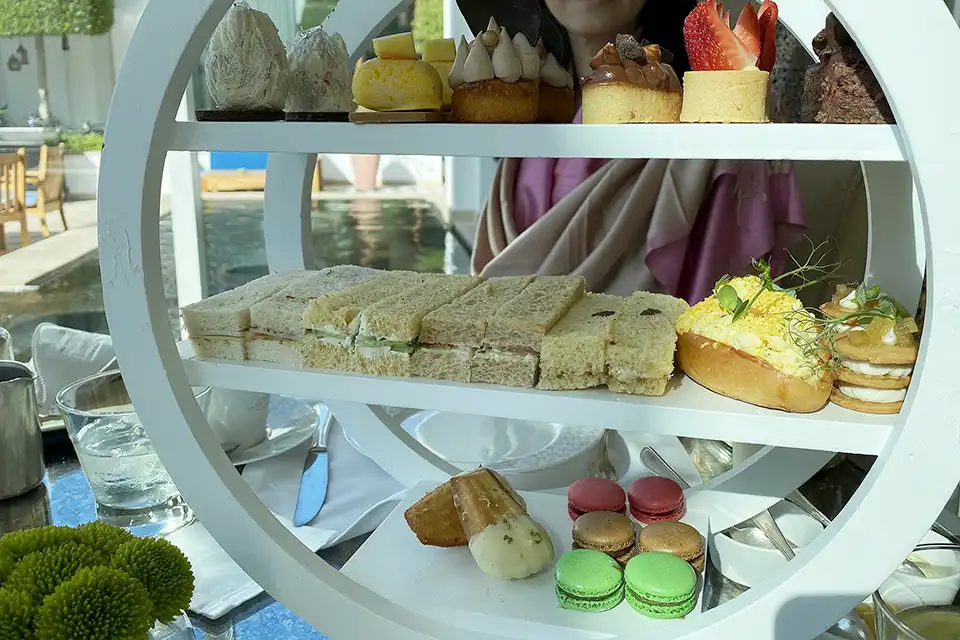
High Tea at the Park Hyatt
Business Value Hotels
The Element at Al Jaddaf is a favorite of ours as a cost effective mid–range hotel in Dubai. It is clean and functional, and very popular with long–term residents and expats.
Dubai is known for its luxurious hotels and resorts, and there are many options to choose from. Reasonably priced mid–range options are plentiful. I personally like to stay in the Al Rigga area (I think it means cemetery, but don't let that deter you). Here is a list of more budget friendly business hotels:
- Ibis Dubai Al Rigga: Located in the heart of the city, this hotel offers affordable rooms and suites with modern amenities, including free Wi-Fi and a business center.
- Element Al Jaddaf Located in the up–and–coming Al Jaddaf area, this low key hotel is popular with long term guests. It's one of our budget–friendly favorites
- Premier Inn Dubai Ibn Battuta Mall: This hotel is located near the Ibn Battuta Mall and offers comfortable rooms, an on-site restaurant, and a 24-hour gym.
- Holiday Inn Express Dubai Airport: This hotel is located near Dubai International Airport and offers comfortable rooms and suites, a 24-hour business center, and a complimentary breakfast.
- Citymax Hotel Bur Dubai: This hotel offers affordable rooms with modern amenities, including free Wi-Fi and a rooftop pool. It also has a business center and meeting facilities.
- Rove City Centre: This hotel is located near the Dubai International Airport and offers modern rooms with free Wi-Fi, a 24-hour gym, and a business center.
- Arabian Park Hotel: Located near Dubai's business district, this hotel offers affordable rooms and suites with modern amenities, including free Wi-Fi and a business center.
- Hyde Park Hotel: This hotel is located in the Deira district and offers affordable rooms with free Wi-Fi and a business center.
- Flora Inn Hotel Dubai Airport:This hotel is located near Dubai International Airport and offers modern rooms with free Wi-Fi, a business center, and a complimentary shuttle service to the airport.
- Ibis Styles Dubai Jumeira: This hotel is located near the Jumeirah Beach and offers affordable rooms with modern amenities, including free Wi-Fi and a business center.
- Tulip Hotel Apartments: This hotel is located in the Bur Dubai district and offers affordable apartments with kitchenettes, free Wi-Fi, and a business center.
Getting There & Getting Away
Air
Dubai is a major transportation hub in the Middle East, and several airlines from around the world offer flights to Dubai International Airport (DXB) and Al Maktoum International Airport (DWC).
Some of the major airlines that fly to Dubai include:
- Emirates
- Etihad Airways
- Qatar Airways
- Turkish Airlines
- British Airways
- Air France
- Lufthansa
- KLM
- Cathay Pacific
- Singapore Airlines
- Flydubai
- Air Arabia
- IndiGo
Local Transportation - Around Dubai
Dubai has a modern and efficient public transportation system that includes:
- Dubai Metro: The Dubai Metro is a fully automated metro network that runs on two lines, the Red Line and the Green Line, and covers much of the city. It's a great way to get around quickly and comfortably, with air-conditioned trains and stations.
- Buses: Dubai has an extensive bus network that covers most areas of the city, including the suburbs. The buses are air-conditioned and comfortable, and run on a regular schedule throughout the day and night.
- Trams: The Dubai Tram is a modern tram system that runs along Al Sufouh Road and connects with the Dubai Metro at several stations. It's a convenient way to get around the Dubai Marina area and other nearby attractions.
- Taxis: Taxis are readily available in Dubai and can be hailed on the street or booked in advance. The fares are metered and reasonably priced, making them a convenient option for short trips or longer journeys.
- Water Taxis: Water taxis or "abra" are traditional wooden boats that operate across the Dubai Creek and are a popular tourist attraction. They are inexpensive and offer a unique perspective of the city from the water.
Dubai's public transportation system is efficient, affordable, and convenient, making it easy for visitors to explore the city.
Local Transportation - Other Emirates
There are several ways to travel to adjacent emirates from Dubai:
- By Car: One of the most convenient ways to travel to adjacent emirates is by car. Dubai is well-connected to the other emirates via a network of highways, including Sheikh Mohammed Bin Zayed Road and Emirates Road. You can rent a car or hire a taxi for the journey.
- By Bus: There are several bus companies that operate services to adjacent emirates from Dubai, including Sharjah, Abu Dhabi, and Al Ain. The bus services are frequent, affordable, and comfortable.
- By Metro: The Dubai Metro connects with the Abu Dhabi Metro at the border of Dubai and Abu Dhabi, making it possible to travel between the two emirates quickly and conveniently.Connecting to the Metro are some other light rail systems such as the Dubai Tram (see left).
- By Taxi: Taxis are readily available in Dubai and can be hired for the journey to adjacent emirates. The fares are metered and reasonably priced, making it a convenient option.
Practicalities
Passport, Visa and Health Requirements
For tourist visa information, the UAE visa requirements are documented by the UAE Ministry of the Economy
Visa information for US citizens as documented by the U.S. State Department
Emergency Contacts
In case of an emergency in Dubai you can contact the following services:
- Police - Emergency number: 999
- Ambulance : 998
- Fire Department - Emergency number: 997
- Coast Guard : 996