Introducing Aruba
A tropical, safe and convenient Caribbean island getaway
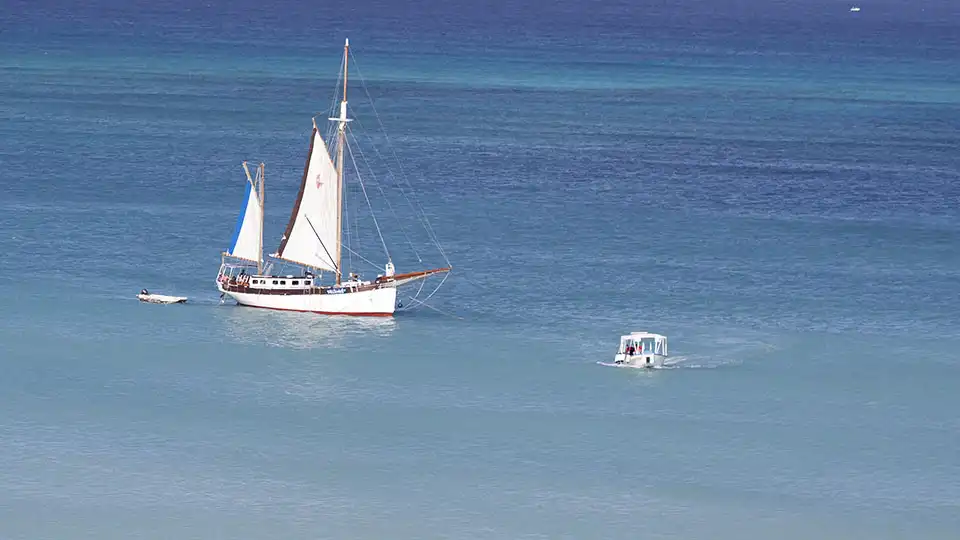
Sailing Schooner, Palm Beach, Aruba
We've been visiting Aruba for over 20 years and love it. The beaches are fantastic, but there are other beaches elsewhere that are fantastic too. The sunshine is gorgeous, but there's other sunny spots to vacation in. The people are friendly and warm, but that's hardly unique is it? Its safe, and you don't feel like you'll be ripped off on every transaction, but again, there are other places that are similarly welcoming. It's all of the above though, in one small package that makes us love Aruba. You can geta detailed look at the beaches on our dedicated guide.
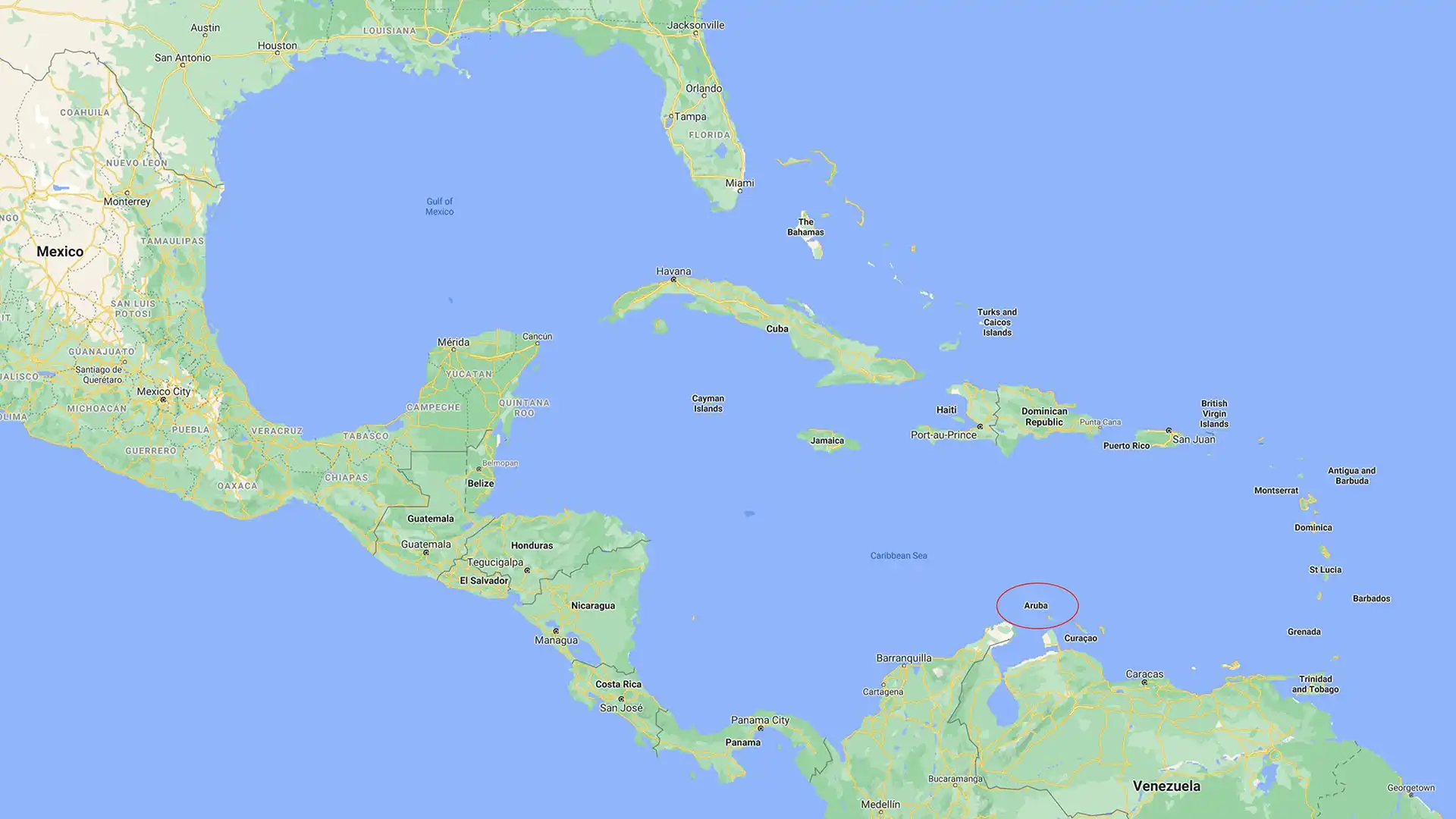
First, let's look at some geographic facts. Aruba is a small island nation located in the southern Caribbean Sea, just north of Venezuela. It is one of the four constituent countries that form the Kingdom of the Netherlands, along with the Netherlands, Curaçao, and Sint Maarten. To be clear, it is an independent country. Yeah, confusing!
The island covers an area of approximately 180 square kilometers (69 square miles) and has a population of around 110,000 people.
Aruba has a parliamentary democratic system of government with a multi-party political system. The head of state is the monarch of the Netherlands, currently King Willem-Alexander, who is represented in Aruba by a governor appointed by the Dutch crown. The governor acts as the representative of the Kingdom government and ensures the proper functioning of the government and compliance with the law.
Aruba has a high degree of autonomy in its internal affairs, including the ability to pass laws and establish its own government institutions. The Kingdom government in the Netherlands is responsible for matters such as defense, foreign affairs, and nationality.
Aruba is known for its white sandy beaches, crystal-clear waters, and year-round warm climate. Its tourism industry is a major part of the economy, with visitors coming from all over the world to enjoy the island's natural beauty and various attractions. Popular activities on the island include swimming, snorkeling, scuba diving, windsurfing, and kitesurfing.
In addition to its natural beauty, Aruba has a rich cultural heritage, with influences from indigenous Arawak people, Spanish conquistadors, Dutch colonizers, and African slaves. This has led to a unique blend of languages, music, dance, and cuisine on the island.
Overall, Aruba is a fascinating and diverse destination that offers something for everyone, from adventure seekers to those looking for a relaxing tropical getaway.

The Aruba national flag
Some History
In Aruba's prehistoric era, there were distinct periods — the Archaic and the Neo–Indian or Ceramic period. The Archaic occupation of Aruba continued well into the first millennium AD, which is relatively late in compared to other parts of the insular Caribbean. Pre-historic artifacts adating to 2000BC have been identified, which indicates at least some sort of temporary habitation for at least 4,000 years
The indigenous people of Aruba after the Archaic period were the Arawak, who arrived on the island around 1000 AD. They were a peaceful and agricultural society that lived off the land and sea, and their legacy can still be seen in the island's petroglyphs and other archaeological sites.
Aruba was discovered by Spanish explorer Alonso de Ojeda in 1499, during his second voyage to the New World. The Spanish claimed the island for the Crown of Castile, but they found no gold or other valuable resources on the island and soon lost interest in it.
In the early 17th century (so over a hundred years later), the Dutch West India Company took control of Aruba and established a colony on the island. The Dutch introduced agriculture and mining to the island, and they also brought African slaves to work on the plantations and in the gold mines. Aruba became a hub for the slave trade in the Caribbean, although its role was relatively minor (neighboring Curaçao holds the distiction for active participation in that terrible trade). Historically, Aruba served more as a transit point and a stopover for ships engaged in the slave trade, rather than a primary destination. The Dutch West India Company, which had control over Aruba during the colonial era, used the island as a supply and refueling station for its ships involved in various trading activities, including the slave trade.
During World War II, Aruba played an important role as a supply hub for the Allies in the Caribbean. The island's oil refinery was a major supplier of fuel for the Allied war effort, and it remains a key part of the island's economy to this day.
Aruba gained autonomy from the Netherlands Antilles in 1986, and it became a separate constituent country within the Kingdom of the Netherlands in 2010. Today, Aruba is a popular tourist destination known for its white sandy beaches, warm climate, and unique cultural heritage.
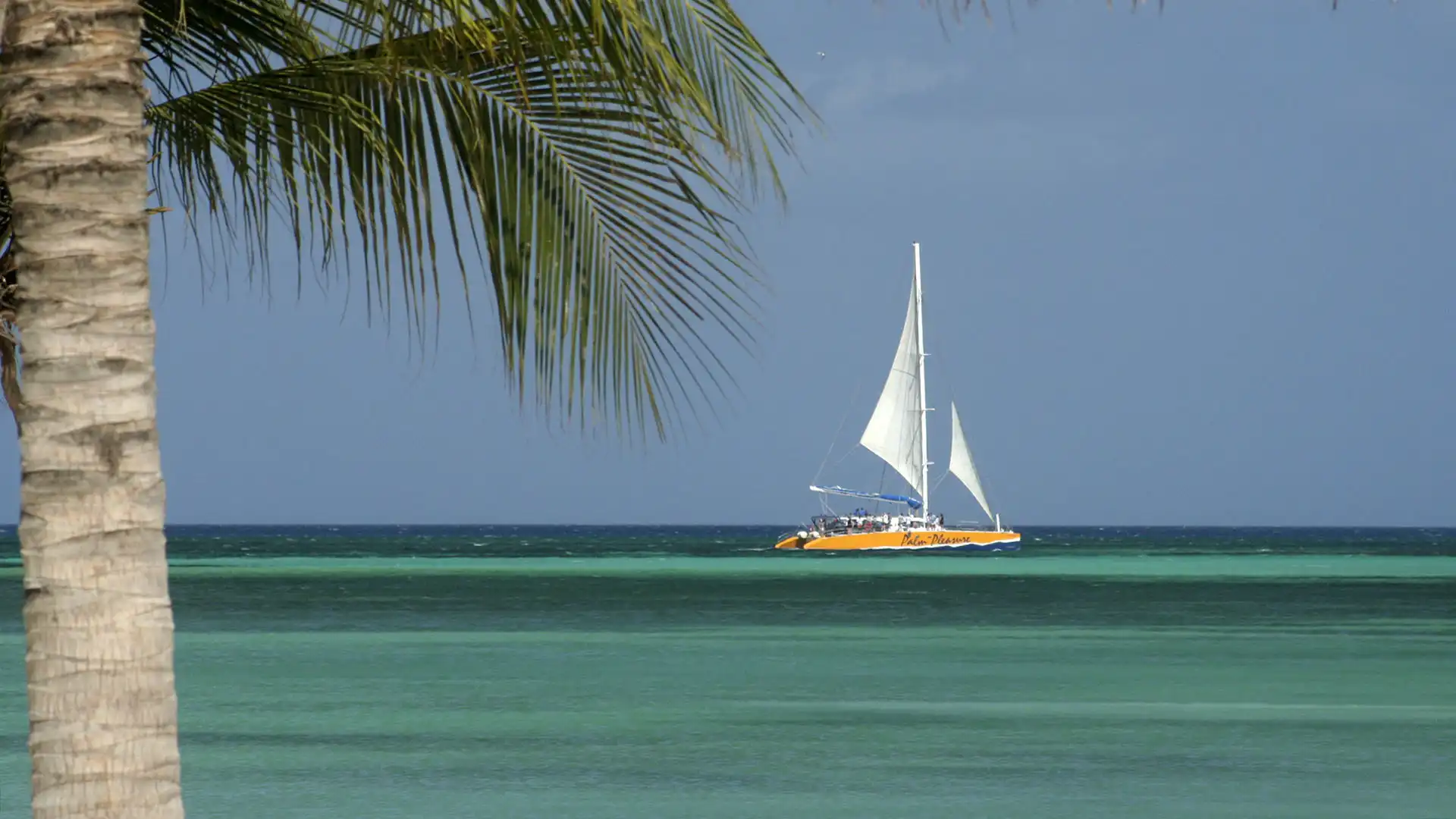
Sailing Catamaran off Palm Beach, Aruba
About The Area
Aruba is a small island located in the southern Caribbean Sea, just north of Venezuela. It is part of the ABC Islands, along with Bonaire and Curaçao, which are collectively known as the Dutch Caribbean. Aruba covers an area of approximately 180 square kilometers (69 square miles) and has a population of around 110,000 people.
The island of Aruba is relatively flat and arid, with a desert-like climate and little rainfall. Its landscape is characterized by rocky terrain, cactus forests, and sand dunes. The island's coastline features white sandy beaches and crystal-clear waters that are ideal for swimming, snorkeling, and other water sports.
The southern Caribbean is a region of the Caribbean Sea that includes the islands of Aruba, Bonaire, Curaçao, Trinidad and Tobago, Grenada, Barbados, and others. It is known for its warm, tropical climate and crystal-clear waters, which make it a popular destination for tourists from around the world. The southern Caribbean is also home to a diverse range of marine life, including sea turtles, dolphins, and coral reefs.
The region in general is also vulnerable to hurricanes and other tropical storms, which can cause significant damage to the islands and disrupt tourism and other industries. However, Aruba is generally considered to be below the hurricane belt, and thus generally immune from significant hurricane threat. There are occasional tropical storms though, and there is some discussion whether Aruba will be subject to hurricanes in the future because of changing climatic conditions.
When to Go
Aruba enjoys a warm, sunny climate year-round, with average temperatures ranging from the mid-70s to the mid-80s Fahrenheit (24-30 degrees Celsius). As a result, it is a popular destination for tourists seeking to escape colder climates and enjoy some sun, sand, and sea.
The best time to visit Aruba is between April and August, when the weather is generally sunny and dry. This is also the peak tourist season, so visitors can expect larger crowds and higher prices for accommodations and activities. However, the island is also less crowded during the shoulder season, from September to November, and visitors may be able to find better deals on hotels and activities during this time.
It is important to note that Aruba is located outside of the hurricane belt, so visitors do not have to worry about hurricanes or tropical storms during their stay. However, the island is still susceptible to strong winds and occasional rain showers, particularly during the months of October and November.
Overall, the best time to visit Aruba depends on personal preferences and travel plans. Whether you are looking for a lively atmosphere and plenty of activities, or a more relaxed and quiet getaway, Aruba has something to offer visitors year-round.
The People
Aruba is a diverse nation, with a population of around 110,000 people from various ethnic and cultural backgrounds. The majority of Arubans are of mixed African and European descent, with smaller populations of indigenous Arawak and Caquetio peoples, as well as immigrants from other Caribbean islands and Latin America.
Aruba is a multi–lingual country, with both Dutch and Papiamento (a Creole language derived from Spanish, Portuguese, Dutch, and African languages) recognized as official languages. English and Spanish are also widely spoken, particularly in tourist areas.
Aruban culture is influenced by its Dutch colonial heritage, as well as its Afro-Caribbean roots. Music and dance are important parts of Aruban culture, with traditional styles such as tumba, waltz, and salsa popular among locals and visitors alike.
The people of Aruba are known for their friendly and welcoming nature, and visitors are often struck by the island's sense of community and hospitality. Family and community are highly valued in Aruban culture, and visitors are encouraged to embrace the local customs and traditions.
The Cuisine
Aruban cuisine is a fusion of Caribbean, European, and Latin American flavors, with a focus on fresh seafood, meats, and local produce. The island's proximity to Venezuela and other Latin American countries has also had a strong influence on the local cuisine.
One of the most popular dishes in Aruba is keshi yena, a savory baked dish made with shredded chicken, Gouda cheese, olives, and spices. Other local specialties include stoba (a stew made with beef or goat), pan bati (a cornmeal pancake), and funchi (a type of polenta made with cornmeal and okra).
Seafood is also a staple of Aruban cuisine, with fresh catches of mahi-mahi, red snapper, and grouper often featured on menus. Shrimp and lobster are also popular, and visitors can try a range of seafood dishes, from ceviche to grilled fish.
Aruba is also known for its tropical fruits, such as papaya, mango, and passionfruit, which are often used in desserts and cocktails. Visitors can also sample a range of Dutch treats, such as stroopwafels and poffertjes, which are often served alongside local coffee.
Aruba offers a diverse and flavorful cuisine that reflects the island's cultural heritage and natural bounty. One discovery we had on a recent visit was a Surinamese restaurant tucked away on a back street. Due to the common Dutch colonial history between Surinam and the Netherlands Antilles, there has been a lot of cultural interaction between these countries.
Things To Do
Top Tourist Sights in Aruba
Aruba is a popular destination for tourists seeking sun, sand, and sea. Here are some of the top tourist sights in Aruba:
- Palm Beach: This stunning stretch of white sand beach is one of the most popular tourist spots in Aruba, with crystal-clear water and plenty of amenities.
- Arikok National Park: This protected area covers 20% of Aruba's land area and is home to a diverse range of wildlife, including rare species such as the Aruban rattlesnake and Aruban burrowing owl. Visitors can explore the park on foot or by jeep.
- California Lighthouse: This iconic lighthouse offers sweeping views of the coastline and is a popular spot for sunset photos.
- Oranjestad: The capital city of Aruba is a charming mix of Dutch colonial architecture and Caribbean flair, with colorful buildings, street markets, and a bustling harbor.
- Natural Pool: This secluded pool is located in Arikok National Park and is only accessible by foot or by horseback. Visitors can take a refreshing dip in the crystal-clear water and enjoy stunning views of the surrounding landscape.
- Baby Beach: This sheltered cove is a great spot for families with young children, with calm waters and plenty of amenities, including a playground and snack bar.
- Butterfly Farm: This unique attraction allows visitors to walk among hundreds of colorful butterflies and learn about their life cycle and behavior.
- Philip's Animal Garden: This animal sanctuary is home to a wide range of exotic animals, including tigers, monkeys, and reptiles. Visitors can take a guided tour and interact with some of the animals.
- Hooiberg: This volcanic formation offers a challenging hike to the top, where visitors can enjoy panoramic views of the island.
- Aruba Ostrich Farm: This working farm offers guided tours and allows visitors to interact with the resident ostriches, including feeding and riding them.
These are just a few of the many sights and attractions that Aruba has to offer. Whether you're interested in beaches, nature, culture, or adventure, there's something for everyone on this beautiful island.
Aruba is a major cruise port, and there are often 2-3 ships in port at the one time
Getting There and Getting Away
Aruba is serviced by many different airlines, including direct flights from North America, Europe and South America. It is a popular tourist destination from so many different places, with different annual calendars that there is year–round demand for flights.
Airlines
- American Airlines: One of the largest airlines in the world, American Airlines flies to over 350 destinations in more than 50 countries, including Aruba. They offer a variety of services including first-class, business-class, and economy-class seating.
- Delta Airlines: Delta Airlines is one of the largest airlines in the world and offers service to over 325 destinations in 60 countries, including Aruba. They offer first-class, business-class, and economy-class seating options.
- JetBlue Airways: Based in New York City, JetBlue Airways is known for offering low-cost flights with high-quality service. They offer flights to Aruba from a number of U.S. cities and the Caribbean.
- Southwest Airlines: Southwest Airlines is one of the largest low-cost carriers in the world and offers flights to a number of destinations in the United States, Mexico, and the Caribbean, including Aruba. They are known for their affordable prices and excellent customer service.
- United Airlines: United Airlines is one of the largest airlines in the world and offers service to over 300 destinations in more than 50 countries, including Aruba. They offer a variety of seating options including first-class, business-class, and economy-class seating.
- Air Canada: Air Canada is the largest airline in Canada and offers service to over 200 destinations around the world, including Aruba. They offer a variety of seating options including business-class and economy-class seating.
- WestJet: WestJet is a Canadian low-cost carrier that offers flights to a number of destinations in North America, Central America, and the Caribbean, including Aruba. They are known for their affordable prices and friendly service.
- Aruba Airlines: Aruba Airlines is a small airline based in Aruba that offers service to a number of destinations in the Caribbean and South America, including Miami and Caracas. They are known for their reliable service and friendly staff.
- Sunwing Airlines: Sunwing Airlines is a Canadian low-cost carrier that offers flights to a number of destinations in the Caribbean, including Aruba. They are known for their affordable prices and all-inclusive vacation packages.
- Avianca: Avianca is a major airline based in Colombia that offers service to a number of destinations in North America, Central America, South America, and the Caribbean, including Aruba. They offer a variety of seating options including first-class, business-class, and economy-class seating.
- Copa Airlines: Copa Airlines is a major airline based in Panama that offers service to a number of destinations in North America, Central America, South America, and the Caribbean, including Aruba. They offer a variety of seating options including first-class, business-class, and economy-class seating.
- InterCaribbean Airways: InterCaribbean Airways is a regional airline that offers service to a number of destinations in the Caribbean, including Aruba. They are known for their affordable prices and friendly service.
Ferries
There are no ferries to Venezuala, Colombia or the other ABC islands (Bonaire, Curaçao), although there are rumors from time to time of a ferry starting.
Getting Around
There are several transportation options available for getting around Aruba:
- Taxis: Taxis are widely available on the island and can be found at the airport, hotels, and tourist areas. They are metered and fares are regulated by the government. Taxis are considered safe, and are convenient, although on occasion we've had taxi drivers attempt to charge us extras.
- Rental Cars: Renting a car is a popular option for exploring the island, and there are many car rental agencies located throughout Aruba. There are many reports of misunderstandings, so check your contracts carefully, take pictures of any damage when you pick upthe vehicle and take other measures to avoid these misunderstandings. Most agencies are franchises, so brand standards for the major brands may not be what you are used to. For American visitors, note that car sizes are very small
- Public Transportation: Aruba has a public bus system that operates throughout the island, with fares starting at around $2. However, the bus service is infrequent and can be unreliable.
- Bicycles: Bicycles can be rented from several locations on the island, including hotels and local shops. Aruba is a relatively small island with flat terrain, making it easy to explore by bike.
- Scooters and Motorcycles: Scooters and motorcycles can also be rented on the island, and are a popular way to explore Aruba's scenic roads. Make sure you have good insurance. ATV accisdents are very common.
- Walking: Many of the island's attractions are located within walking distance of each other, especially in the main tourist areas like Palm Beach and Oranjestad. The island is large though, so you will need transport if going to anywhere but the tourist spots.
Places to Stay
Top End Hotels & Resorts
The Renaissance Aruba is a top hotel with access to a private island with resident flamingos
- Ritz-Carlton Aruba: Located on Palm Beach, this luxurious resort features a spa, casino, and multiple dining options.
- Aruba Marriott Resort & Stellaris Casino: Another Palm Beach favorite, this resort offers spacious rooms, a beautiful pool area, and a full-service casino.
- Hyatt Regency Aruba Resort Spa & Casino: With its picturesque beachfront location and extensive amenities, including a spa and watersports rentals, the Hyatt Regency is a popular choice for vacationers.
- Bucuti & Tara Beach Resort Aruba: This adults-only resort on Eagle Beach features a romantic atmosphere, intimate setting, and an eco-friendly focus.
- Renaissance Aruba Resort & Casino: Located in downtown Oranjestad, this resort offers a private island experience, complete with a waterpark, private beach, and a casino.This is one of our favorites, especially with the access to the private island with its resident flamingoes.
All Inclusive Resorts
- Barcelo Aruba: This all-inclusive resort is located on Palm Beach and features multiple restaurants and bars, a large pool area, and a variety of activities and entertainment options.
- Divi Aruba All Inclusive: With its beachfront location on Druif Beach, this resort offers all-inclusive dining, drinks, and activities, including snorkeling and windsurfing.
- Tamarijn Aruba All Inclusive: This beachfront resort on Druif Beach offers all-inclusive dining, drinks, and activities, including kayaking and nightly entertainment.
- Occidental Grand Aruba: Another all-inclusive resort on Palm Beach, the Occidental Grand features multiple restaurants and bars, a large pool complex, and a variety of activities and entertainment options.
- Riu Palace Antillas: This adults-only all-inclusive resort on Palm Beach offers multiple dining options, a spa, and nightly entertainment, as well as access to the facilities of the adjacent Riu Palace Aruba.
Mid-Range Resorts
- Divi Village Golf and Beach Resort: This resort is located near Eagle Beach and features multiple dining options, a golf course, and a large pool complex with a swim-up bar.
- Holiday Inn Resort Aruba: This resort is located on Palm Beach and features multiple dining options, a spa, a casino, and a large pool complex with a water slide.
- Barcelo Aruba: This resort is located on Palm Beach and features multiple dining options, a spa, and a large pool complex with a swim-up bar and water sports rentals.
- Manchebo Beach Resort & Spa: This adults-only resort is located on Eagle Beach and features multiple dining options, a spa, and a pool overlooking the beach.
- Brickell Bay Beach Club & Spa: This boutique hotel is located near Palm Beach and features a rooftop pool and spa, as well as multiple dining options.
- Hilton Aruba Caribbean Resort & Casino: This resort is located on Palm Beach and features multiple dining options, a casino, a spa, and a large pool complex with a swim-up bar and water slide.
Places to Eat
Aruba, as a major tourist destination has a huge variety of places to eat, ranging from top class restaurants to local cuisine. Here are some high end restaurants:
- The Kitchen Table by White - located in Palm Beach, this restaurant offers a unique culinary experience with a constantly evolving menu of seasonal dishes
- Barefoot Restaurant - situated on the beach in Noord, this restaurant specializes in seafood and international cuisine with a Caribbean twist
- Yemanja Woodfired Grill - located in the heart of Oranjestad, this restaurant serves fresh seafood and meats cooked on a wood-fired grill
- Cuba's Cookin' - also located in Oranjestad, this restaurant offers a taste of Cuba with classic dishes such as ropa vieja and arroz con pollo
- Gasparito Restaurant & Art Gallery - this restaurant in Paradera is known for its traditional Aruban cuisine, served in a charming outdoor setting surrounded by local artwork
There are also a lot of local restaurants you might like:
- The West Deck - A waterfront restaurant offering a variety of seafood and Caribbean cuisine with stunning views of the sunset.
- Zeerover - A casual seafood joint located in Savaneta, known for its fresh catch of the day and laid-back atmosphere.
- Yemanja Woodfired Grill - A cozy eatery in Oranjestad serving up grilled seafood and meats with a Mediterranean twist.
- Baby Back Grill - A popular spot for barbeque lovers, offering ribs, brisket, and other smoked meats along with a variety of sides.
- The Old Cunucu House - A charming restaurant housed in a restored Aruban cunucu (farmhouse) serving traditional Caribbean and Aruban dishes.
- For a local coffee shop offering unique cuisine and good coffee, try Santos Coffee with Soul. As of July 2023 they have just 2 locations in Eagle Beach and downtown Oranjestad, on Oranjestraat. We tried the one in Oranjestad, just a block inland from the Renaissance Mall, and its friendly, not over–priced and has some unique dishes.
Practical Considerations
Visa and Other Formalities
The latest requirements for passports, viasas and health documentation can be found on the official Aruba website here.Emergency Contacts
In case of an emergency in Aruba you can contact the following services:
- Police - Emergency number: 911
- Oranjestad: 100
- Noord: 107
- San Nicolas: 104
- Santa Cruz: 105
- Fire Department - Emergency number: 911
- Coast Guard: 913
- Dr. Horacio Oduber Hospital: +297 527 4000
- Urgent Care Aruba: +297 586 0448
It's a good idea to have these numbers saved in your phone or written down in case of an emergency. It is worth noting that English is widely spoken
Summary
Aruba is a popular tourist destination due to its beautiful beaches, warm weather year-round, diverse cuisine, and range of activities and attractions. Visitors can enjoy swimming, snorkeling, and scuba diving in the crystal-clear waters, exploring the natural beauty of the island's national parks and wildlife preserves, and experiencing the unique culture of Aruba's people. With a range of accommodations from high-end resorts to more affordable options, Aruba offers something for every type of traveler. Additionally, the island's convenient location in the southern Caribbean makes it easily accessible from many major cities in the United States and Europe.
Copyright © 2025 travel-with-mark.com. All rights reserved. No part of this website or any of its contents may be reproduced, copied, modified or adapted, without the prior written consent of the owner, unless otherwise indicated for stand-alone materials. Unauthorized use is strictly prohibited. All trademarks, service marks, and trade names used in this website are the property of their respective owners and are used for identification purposes only. Your access to and use of this website is subject to our terms and conditions. Details of our privacy practices may be found in our privacy notices